ARTHUR LEGGETT OAM LIBRARY
  • Home
  • Books & Reading
    • Finding a book
    • Reading lists
    • eBooks Reading lists
    • Audiobooks >
      • Allsorts Audio
      • Animals Audio
      • Action Adventure Audio
      • Biography Audio
      • Conflict Audio
      • Contemporary Audio
      • Family Relationships Romance Audio
      • Fantasy Audio
      • Historical Audio
      • Humour Audio
      • Mystery Audio
      • Non Fiction Audio
      • Paranormal Horror Audio
      • Science Fiction Dystopian Audio
      • Short Stories Audio
      • Sports Audio
    • Premiers Reading Challenge
    • Reading journals
  • Course Support
    • Year 7
    • Year 8
    • Year 9
    • Year 10
    • Year 11
    • Year 12
  • Referencing
  • Inquiry
    • Defining
    • Locating
    • Selecting
    • Organising
    • Presenting
    • Evaluating
  • Writing Frameworks
  • Teachers
  • About Us
Picture
Last updated 3 May 2023
Source:  Adobe Stock
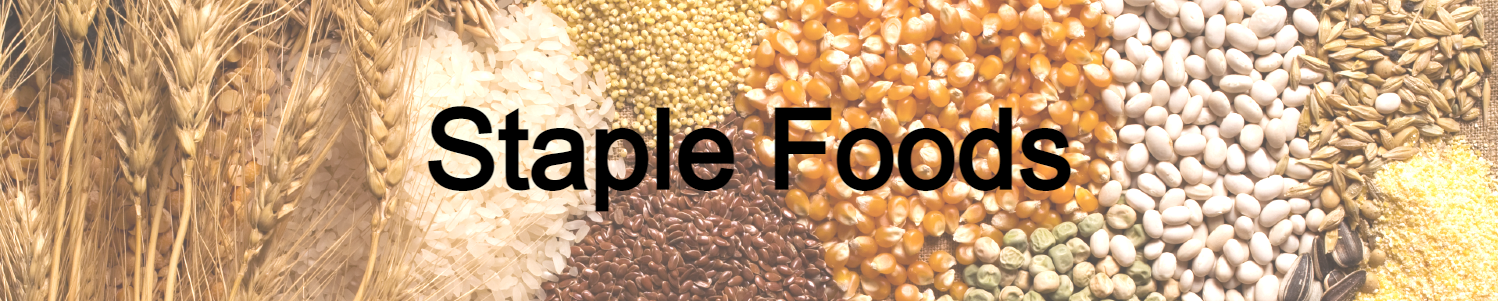
This page has been created to support the task on Staple Foods
​Use the Information Process to help you manage this task.

Picture
Picture
Picture
Picture
Picture
Picture
Make sure you read through the whole page before starting your search for information.
​
​If you have any issues, or need further support, please contact 
Mrs Bakitch.
What are staple foods?
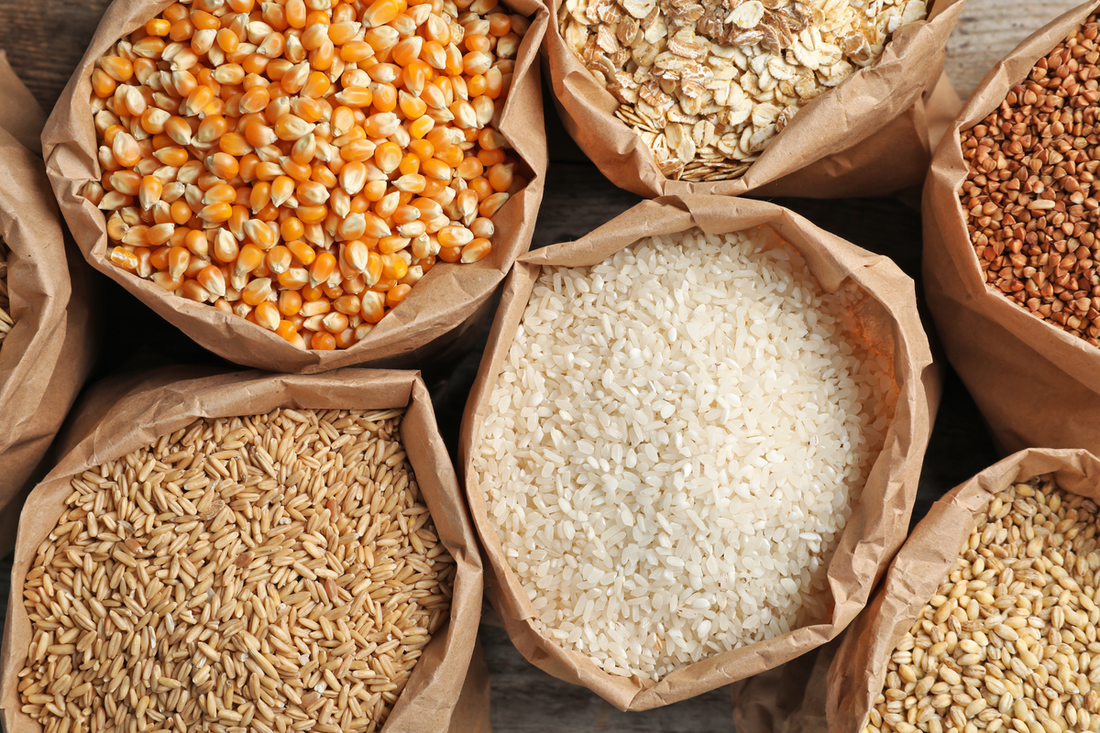
A food staple is a food that makes up the dominant part of a population’s diet. Food staples are eaten regularly—even daily—and supply a major proportion of a person’s energy and nutritional needs. Food staples vary from place to place, depending on the food sources available. Most food staples are inexpensive, plant-based foods. They are usually full of calories for energy. Cereal grains and tubers are the most common food staples.

There are more than 50,000 edible plants in the world, but just 15 of them provide 90 percent of the world’s food energy intake. Rice, corn (maize), and wheat make up two-thirds of this. Other food staples include millet and sorghum; tubers such as potatoes, cassava, yams, and taro; and animal products such as meat, fish, and dairy. Food staples traditionally depend on what plants are native to a region. However, with improvements in agriculture, food storage, and transportation, some food staples are changing. For example, in the islands of the South Pacific, roots and tubers such as taro are traditional food staples. Since 1970, however, their consumption has fallen.

Foods that were particular to one region are becoming popular in regions where they don’t traditionally grow. Quinoa, for instance, is a grain-like plant that is grown high in the Andes Mountains of South America. Today, quinoa is popular far outside of Latin America. Although staple foods are nutritious, they do not provide the full, healthy range of nutrients. People must add other foods to their diets to avoid malnutrition.
Source: National Geographic
Picture
Source: Adobe Stock
 
Step 1 - Defining
Picture
This step asks you to think about:
  1. What exactly do I need to do?
  2. What do I need to find out?
Strategies for Defining
  • Underline or highlight the important keywords on your task sheet
Picture
 
Step 2 - Locating
Picture
This step asks you to think about:
  1. Where can I find the information I need?
  2. What search tools, sources and equipment can I use?
  3. Which sources best suit my needs?
Strategies for Locating
The pages listed below in this guide have resources that we recommend you use.

  • Barley
  • Maize (corn)
  • Oats
  • Potatoes
  • Rice
  • Rye
  • Soybeans
  • Wheat
Recipe websites
​
Here are some suggested websites to look for recipes:

Picture
Picture
Picture
Picture
 
Step 3 - Selecting
Picture
This step asks you to think about:
  1. Which of these resources will be of use to me?
  2. Which information will I really use?
  • Can I understand the information I have found?
  • How credible/ reliable is the information I have found?
  • How relevant is the information I have found to my current information need?
Strategies for Selecting
  • Make sure the information you find matches what you need to find out.
  • If you search the internet for yourself, make sure you evaluate the website before you use the information to check if it reliable.
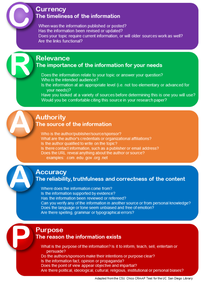
To evaluate, use the CRAAP test method.
Picture
 
Step 4 - Organising
Picture
​This step asks you to think about:
  1. How can I organise this information to solve my problem/complete my task?
  2. Have I:
  • made notes under my focus questions or organised my notes to match them?
  • recorded details of my sources of information for my Reference List/Bibliography?
3.   Do I have enough information?
Strategies for Organising
  • Using a notemaking sheet to record your information
  • Writing down where you got your information from in a Reference List / Bibliography.
    ​
    • MLSHS Referencing System
    • Or use Citefast or MyBib to create your Reference List / Bibliography​
Picture
Picture
  • Checking you have covered all aspects of the set task by looking at your task sheet.
 
Step 5 - Presenting
Picture
This step asks you to think about:
  1. How can I best present this information to communicate it with other people?
  2. Who will be my audience
  3. Which would be the best format? (Have I been given instructions about this?)
  4. Have I included everything I need to communicate?
Strategies for Presenting
This task asks you to present the information you've found as a PowerPoint presentation. Have a look at the following page for some tips on creating a great PowerPoint.

Create a fantastic PowerPoint presentation

​
Or have a look at the video below for some extra advice.
Powered by Create your own unique website with customizable templates.
  • Home
  • Books & Reading
    • Finding a book
    • Reading lists
    • eBooks Reading lists
    • Audiobooks >
      • Allsorts Audio
      • Animals Audio
      • Action Adventure Audio
      • Biography Audio
      • Conflict Audio
      • Contemporary Audio
      • Family Relationships Romance Audio
      • Fantasy Audio
      • Historical Audio
      • Humour Audio
      • Mystery Audio
      • Non Fiction Audio
      • Paranormal Horror Audio
      • Science Fiction Dystopian Audio
      • Short Stories Audio
      • Sports Audio
    • Premiers Reading Challenge
    • Reading journals
  • Course Support
    • Year 7
    • Year 8
    • Year 9
    • Year 10
    • Year 11
    • Year 12
  • Referencing
  • Inquiry
    • Defining
    • Locating
    • Selecting
    • Organising
    • Presenting
    • Evaluating
  • Writing Frameworks
  • Teachers
  • About Us