ARTHUR LEGGETT OAM LIBRARY
  • Home
  • Books & Reading
    • Finding a book
    • Reading lists
    • eBooks Reading lists
    • Audiobooks >
      • Allsorts Audio
      • Animals Audio
      • Action Adventure Audio
      • Biography Audio
      • Conflict Audio
      • Contemporary Audio
      • Family Relationships Romance Audio
      • Fantasy Audio
      • Historical Audio
      • Humour Audio
      • Mystery Audio
      • Non Fiction Audio
      • Paranormal Horror Audio
      • Science Fiction Dystopian Audio
      • Short Stories Audio
      • Sports Audio
    • Premiers Reading Challenge
    • Reading journals
  • Course Support
    • Year 7
    • Year 8
    • Year 9
    • Year 10
    • Year 11
    • Year 12
  • Referencing
  • Inquiry
    • Defining
    • Locating
    • Selecting
    • Organising
    • Presenting
    • Evaluating
  • Writing Frameworks
  • Teachers
  • About Us

written elements of picture books

Creators of picture books think carefully about how the written text will appeal to their audience and combine with visual elements to tell the story. They use the following elements:
​
  • Word choice
  • Figurative language
  • Repetition
  • Intertextuality
  • Rhyme
  • Rhythm
 
Word choice

The language is clever, usually simple and easy to understand.

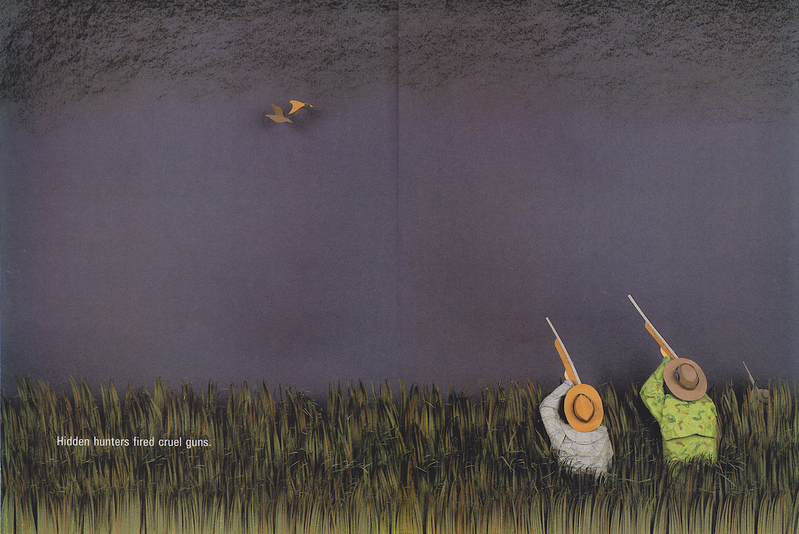
Each word in this example has been carefully chosen for effect.

In Refugees by David Miller the words on this page are quite harsh and are trying to imitate the sound of guns being fired.
Picture

If you're not familiar with Refugees​, you can see the whole book in the video below. ▼
 
Figurative language

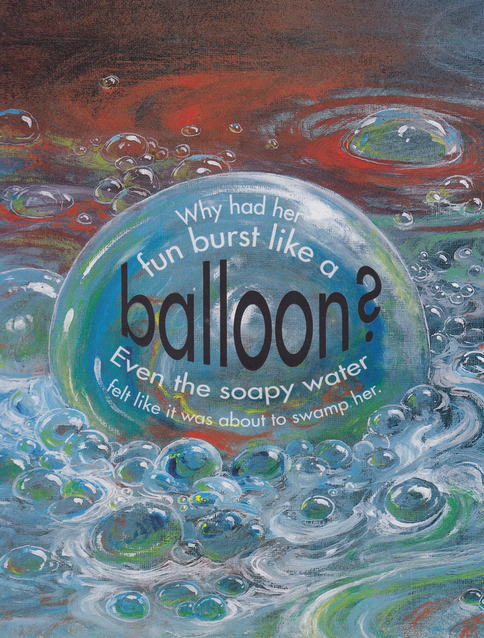
This is language that compares, emphasises and clarifies meaning. For example metaphors and similes.

What is the figurative language on this page?

The Bubble by Josie Montano and Matt Ottley
Picture
 
Repetition

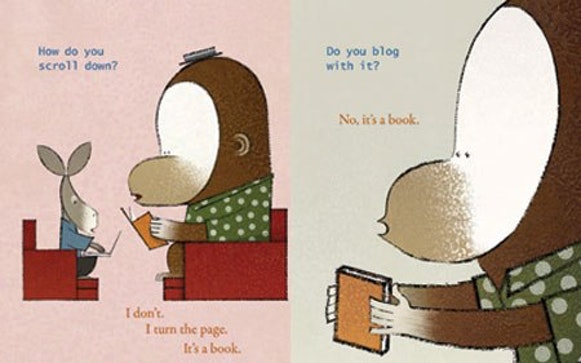
This is when words, phrases or sentences are repeated for emphasis.

It's a Book by Lane Smith.

In this story, the phrase "it's a book" is repeated throughout.
Picture

If you're not familiar with It's a Book​, you can see the whole book in the video below. ▼
 
Intertextuality

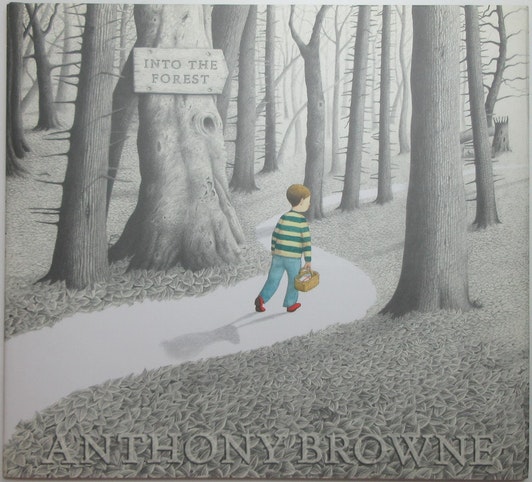
These are references made to another event, person, myth, legend, another work or place.

Into the Forest by Anthony Browne makes reference to the story of Red Riding Hood.​
Picture
Picture

If you're not familiar with Into the Forest, you can see the whole book in the video below. ▼
 
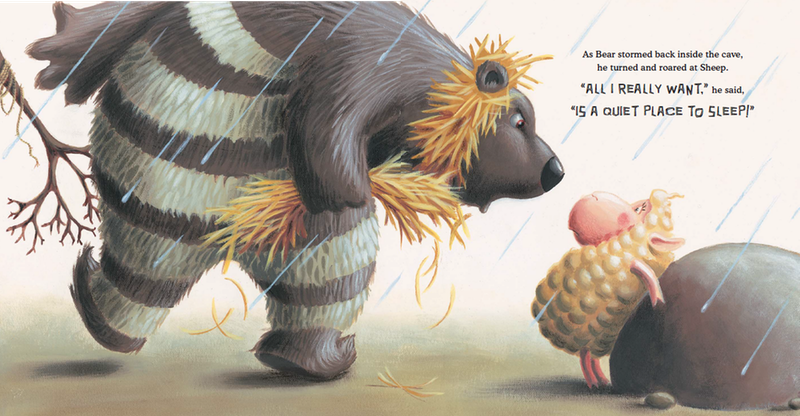
Rhyme

This is when the ends of words sound the same and follow a pattern for emphasis.

In The Very Cranky Bear by Nick Bland, when the bear is shouting, the text has been put in capital letters.
Picture

If you're not familiar with The Very Cranky Bear, you can see the whole book in the video below. ▼
 
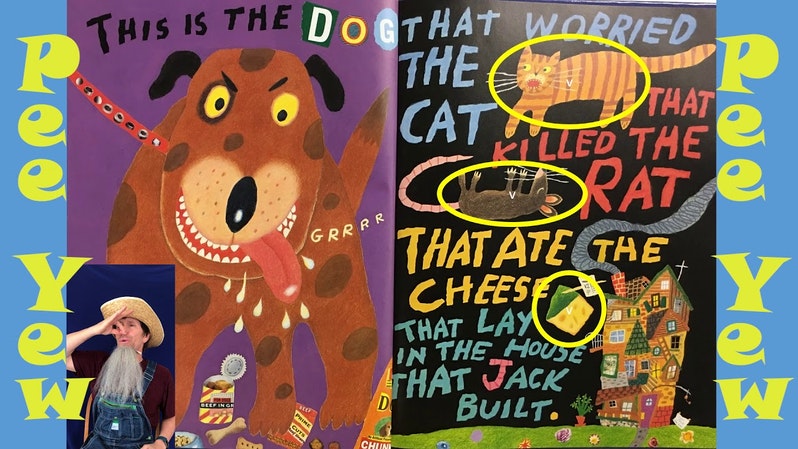
Rhythm

This is where a beat is created through the sounds and order of words.

The House that Jack Built by Simms Taback.
Picture

If you're not familiar with The House that Jack Built, you can see the whole book in the video below. ▼
Powered by Create your own unique website with customizable templates.
  • Home
  • Books & Reading
    • Finding a book
    • Reading lists
    • eBooks Reading lists
    • Audiobooks >
      • Allsorts Audio
      • Animals Audio
      • Action Adventure Audio
      • Biography Audio
      • Conflict Audio
      • Contemporary Audio
      • Family Relationships Romance Audio
      • Fantasy Audio
      • Historical Audio
      • Humour Audio
      • Mystery Audio
      • Non Fiction Audio
      • Paranormal Horror Audio
      • Science Fiction Dystopian Audio
      • Short Stories Audio
      • Sports Audio
    • Premiers Reading Challenge
    • Reading journals
  • Course Support
    • Year 7
    • Year 8
    • Year 9
    • Year 10
    • Year 11
    • Year 12
  • Referencing
  • Inquiry
    • Defining
    • Locating
    • Selecting
    • Organising
    • Presenting
    • Evaluating
  • Writing Frameworks
  • Teachers
  • About Us