ARTHUR LEGGETT OAM LIBRARY
  • Home
  • Books & Reading
    • Finding a book
    • Reading lists
    • eBooks Reading lists
    • Audiobooks >
      • Allsorts Audio
      • Animals Audio
      • Action Adventure Audio
      • Biography Audio
      • Conflict Audio
      • Contemporary Audio
      • Family Relationships Romance Audio
      • Fantasy Audio
      • Historical Audio
      • Humour Audio
      • Mystery Audio
      • Non Fiction Audio
      • Paranormal Horror Audio
      • Science Fiction Dystopian Audio
      • Short Stories Audio
      • Sports Audio
    • Premiers Reading Challenge
    • Reading journals
  • Course Support
    • Year 7
    • Year 8
    • Year 9
    • Year 10
    • Year 11
    • Year 12
  • Referencing
  • Inquiry
    • Defining
    • Locating
    • Selecting
    • Organising
    • Presenting
    • Evaluating
  • Writing Frameworks
  • Teachers
  • About Us
Picture
Last updated 12 September 2022
Source: World Economic Forum
This page has been created to support the Geography and Economics investigation on human well-being.
Picture
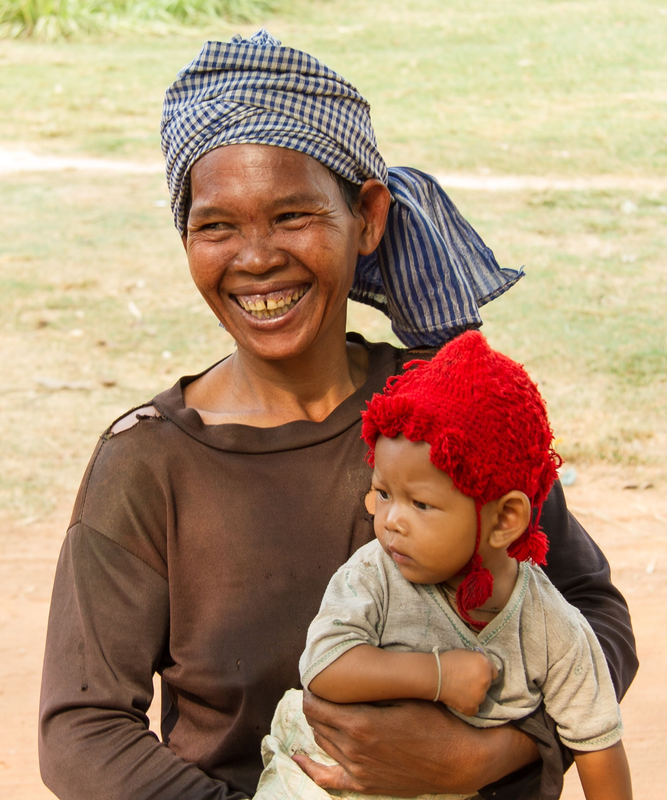
​Human wellbeing is the recognition that everyone around the world, regardless of geography, age, culture, religion or political environment, aspires to live well. Wellbeing is not necessarily bound by income, rather, it is an individual’s thoughts and feelings about how well they are doing in life, contentment with material possessions and having relationships that enable them to achieve their goals. Many factors impact upon an individual’s ability to live well including war, conflict, social fragmentation, inequality, poverty, malnourishment as well as access to resources.
Geography Teachers' Association of Victoria
Picture
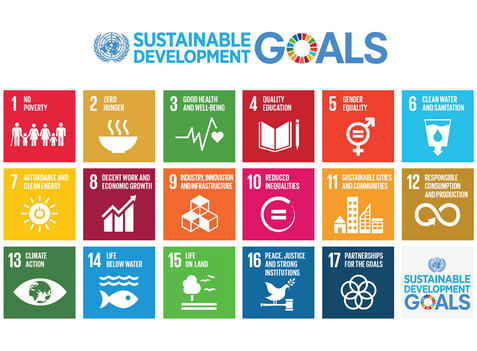
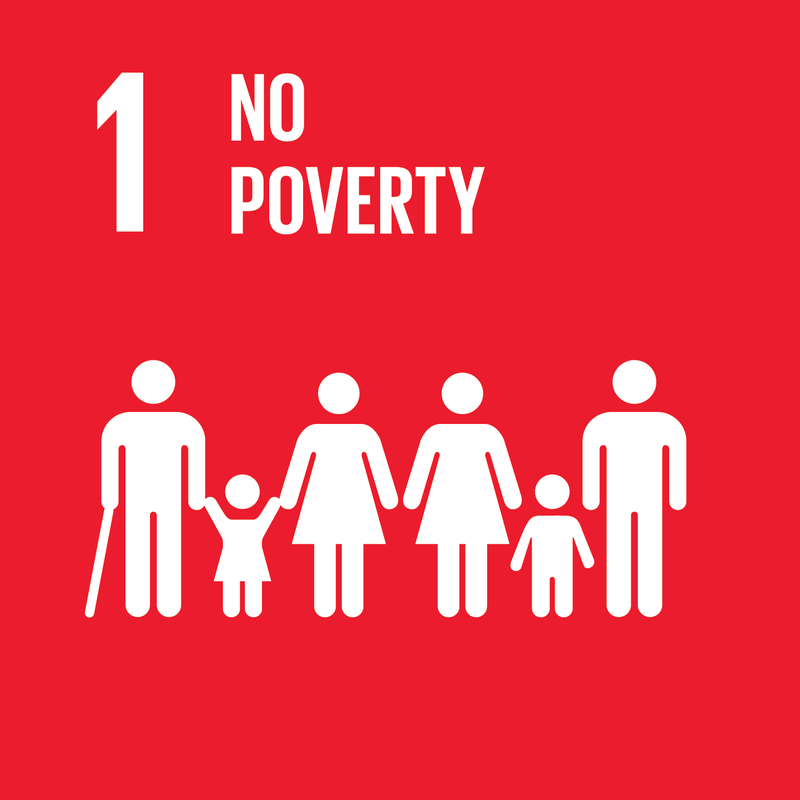
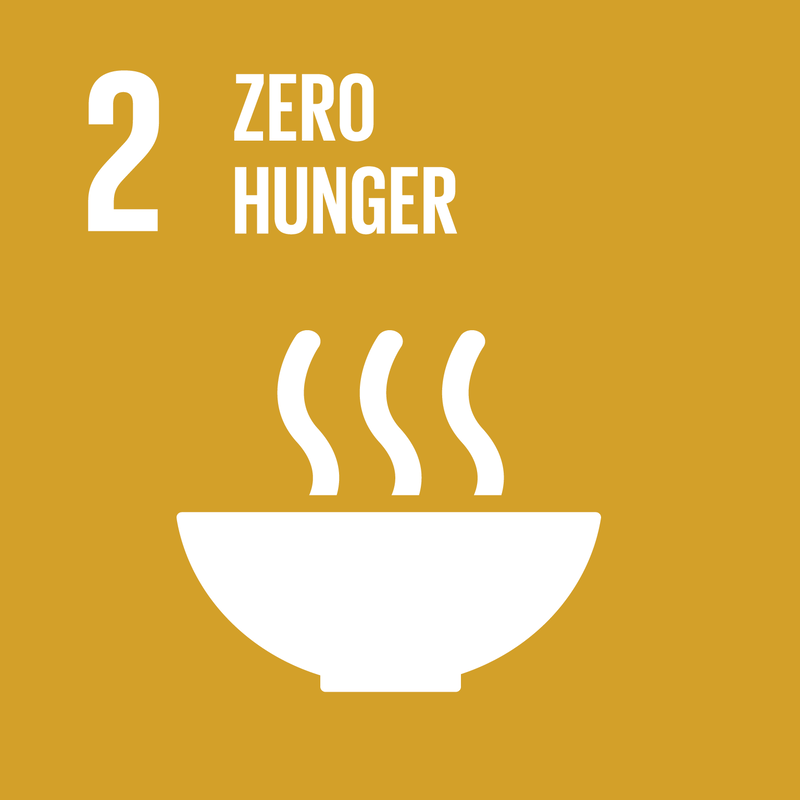
In 2016, the United Nations adopted the Sustainable Development Goals (SDGs) as a way to end poverty, protect the planet and ensure that all people enjoy peace and prosperity, all of which are vital for human well-being.
Watch the following videos for information on the goals. 
To help you complete this task successfully, follow the steps in the information process.
Picture
Picture
Picture
Picture
Picture
Picture
Make sure you read through the whole page before starting your search for information.
​
​If you have any issues, or need further support, please contact 
Mrs Bakitch.
 
Step 1 - Defining
Picture
This step asks you to think about:
  1. What exactly do I need to do?
  2. What do I need to find out?
Strategies for Defining
  • Underline or highlight the important keywords on your task sheet
Picture
  • Make sure you understand the instructional words on your task sheet​
  • ​Identify other keywords that may help you when searching for information. 
Each goal has specific targets that the UN wants to achieve.
​Use the targets to identify keywords that you can use for searching.
​Some keywords have been identified already for you.
Goal
Targets
Keywords
Picture
No poverty targets
poverty

Picture
​Zero hunger targets
​food security
​malnutrition
​agriculture technology

Picture
​Good health and well-being targets
​maternal mortality
communicable diseases
mental health
universal health care
framework tobacco control
universal access vaccines medicine

Picture
​Quality education targets
literacy
numeracy
​inclusive education
​discrimination education

Picture
​Gender equality targets
​gender equality
human trafficking
forced marriage
genital mutilation
domestic responsibilities
reproductive health
property ownership

Picture
Decent work and economic growth targets
economic growth
economic productivity
employment
full employment
youth employment
equal pay
child labour
slavery
safe working environment
sustainable tourism
universal access finance

Picture
​Industry, innovation and infrastructure targets
​infrastructure
​financial services
internet access

Picture
​Reduced inequalities targets
​income distribution
disability inclusion
economic inclusion
political inclusion
social equality
​migration policies

Picture
​Responsible consumption and production targets
​sustainable consumption
​waste management
 
Step 2 - Locating
Picture
This step asks you to think about:
  1. Where can I find the information I need?
  2. What search tools, sources and equipment can I use?
  3. Which sources best suit my needs?
Strategies for Locating
The following websites are recommended for data and statistics:

  • Global Change Data Lab. (n.d.). Our world in data. https://ourworldindata.org/
  • International Monetary Fund. (2022). IMF data. https://www.imf.org/en/data
  • Trading economics. (2022). https://tradingeconomics.com/
  • United Nations Conference on Trade and Development. (2022). UNCTADstat. https://unctadstat.unctad.org/EN/
  • United Nations Statistics Divisions. (2022). UNdata. https://data.un.org/
  • The World Bank. (2022). Indicators. https://data.worldbank.org/indicator

The pages listed below have resources that we recommend you use to get you started. You need to compare:

  • Australia

    with one of the following countries:
    ​
  • Brazil
  • Cambodia
  • Egypt
  • Ethiopia
  • Mexico
  • Myanmar
  • Papua New Guinea
 
Step 3 - Selecting
Picture
This step asks you to think about:
  1. Which of these resources will be of use to me?
  2. Which information will I really use?
  • Can I understand the information I have found?
  • How credible/ reliable is the information I have found?
  • How relevant is the information I have found to my current information need?
Strategies for Selecting
  • Make sure the information matches what you need to find out.
  • If you search the internet for yourself, make sure you evaluate the website before you use the information to check if it reliable.
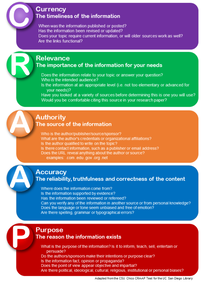
To evaluate, use the CRAAP test method.
Picture
Picture
The currency criteria will be particularly important as you will need to make sure any websites you use are current and not older than 2016, when the goals were introduced.
​
Ideally, any websites should not be older than 5 years.
 
Step 4 - Organising
Picture
​This step asks you to think about:
  1. How can I organise this information to solve my problem/complete my task?
  2. Have I:
  • made notes under my focus questions or organised my notes to match them?
  • recorded details of my sources of information for my Reference List/Bibliography?
3.   Do I have enough information?
Strategies for Organising
  • Use a notemaking sheet to record your information.

    You have been given one as part of your booklet.
  • Write down where you got your information from in a Reference List / Bibliography.
    ​
    • MLSHS Referencing System
    • Or use Citefast or MyBib to create your Reference List / Bibliography​
Picture
Picture
  • Check you have covered all aspects of the set task by looking at your task sheet.
 
Step 5 - Presenting
Picture
This step asks you to think about:
  1. How can I best present this information to communicate it with other people?
  2. Who will be my audience
  3. Which would be the best format? (Have I been given instructions about this?)
  4. Have I included everything I need to communicate?
Strategies for Presenting
Powered by Create your own unique website with customizable templates.
  • Home
  • Books & Reading
    • Finding a book
    • Reading lists
    • eBooks Reading lists
    • Audiobooks >
      • Allsorts Audio
      • Animals Audio
      • Action Adventure Audio
      • Biography Audio
      • Conflict Audio
      • Contemporary Audio
      • Family Relationships Romance Audio
      • Fantasy Audio
      • Historical Audio
      • Humour Audio
      • Mystery Audio
      • Non Fiction Audio
      • Paranormal Horror Audio
      • Science Fiction Dystopian Audio
      • Short Stories Audio
      • Sports Audio
    • Premiers Reading Challenge
    • Reading journals
  • Course Support
    • Year 7
    • Year 8
    • Year 9
    • Year 10
    • Year 11
    • Year 12
  • Referencing
  • Inquiry
    • Defining
    • Locating
    • Selecting
    • Organising
    • Presenting
    • Evaluating
  • Writing Frameworks
  • Teachers
  • About Us